Introduction
Thinking about buying an electric vehicle? You’re not alone. As EVs become more affordable and charging networks continue to expand, more drivers are making the switch from traditional gasoline-powered cars to electric mobility.
I remember feeling overwhelmed by all the EV terminology when I first started researching electric vehicles. Terms like BEV, PHEV, and fast charging sounded complicated at first, but once I understood the basics, comparing different EVs became much easier.
In this guide, I’ll break down the main types of electric vehicles, explain how EV charging standards work, and help you understand which options are best suited for different driving needs and lifestyles.
Want to know how public charging stations work and how India is improving its EV ecosystem? Check out the guide on Charging Infrastructure for Electric Vehicles to explore more.
What Is an Electric Vehicle?
An electric vehicle (EV) is a vehicle that runs partially or entirely on electricity. Instead of relying on a traditional internal combustion engine (ICE), EVs use an electric motor powered by a battery.
There are different types of electric vehicles, depending on how much they rely on electric power. Let’s break them down.
Types of Electric Vehicles
1. Battery Electric Vehicle (BEV)
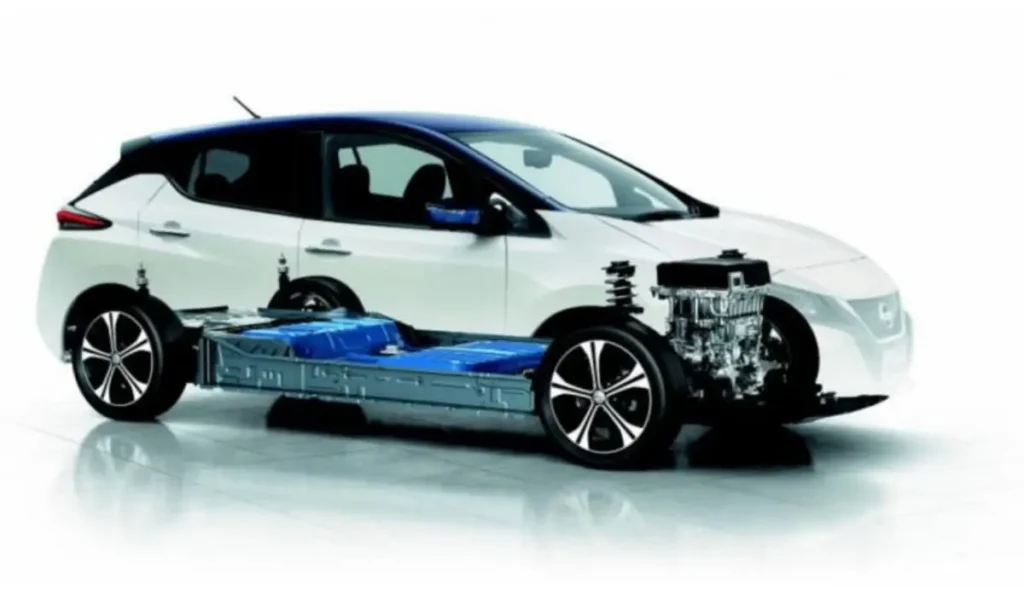
- Also known as: All-electric vehicles
- How it works: Runs completely on electric power from a rechargeable battery
- Examples: Tesla Model 3, Nissan Leaf, Hyundai Kona Electric
- Pros: Zero emissions, lower running costs, quiet operation
- Cons: Depends entirely on charging stations
Our Take: If you live in a city with good charging infrastructure and mostly drive short to medium distances, a BEV is a great eco-friendly option.
2. Plug-in Hybrid Electric Vehicle (PHEV)
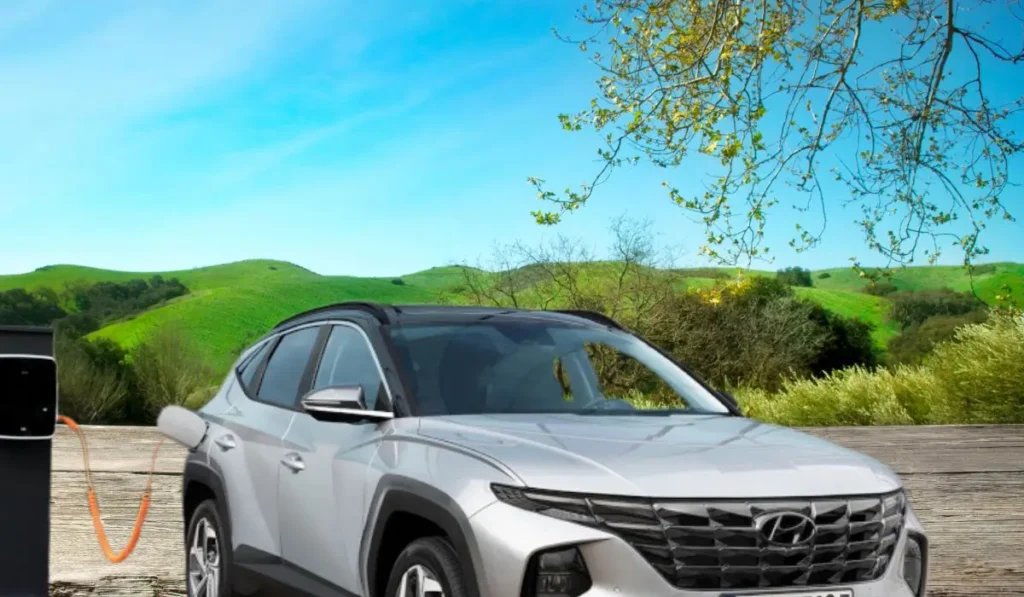
- How it works: Uses both an internal combustion engine and an electric battery. You can charge it via a plug or rely on fuel when needed.
- Examples: Toyota Prius Prime, Ford Escape PHEV, BMW 330e
- Pros: Flexibility of electric + fuel, reduced emissions
- Cons: Heavier due to dual systems, limited electric-only range
Our Take: Ideal for those who want to test the waters of EV ownership without giving up fuel backup entirely.
3. Hybrid Electric Vehicle (HEV)
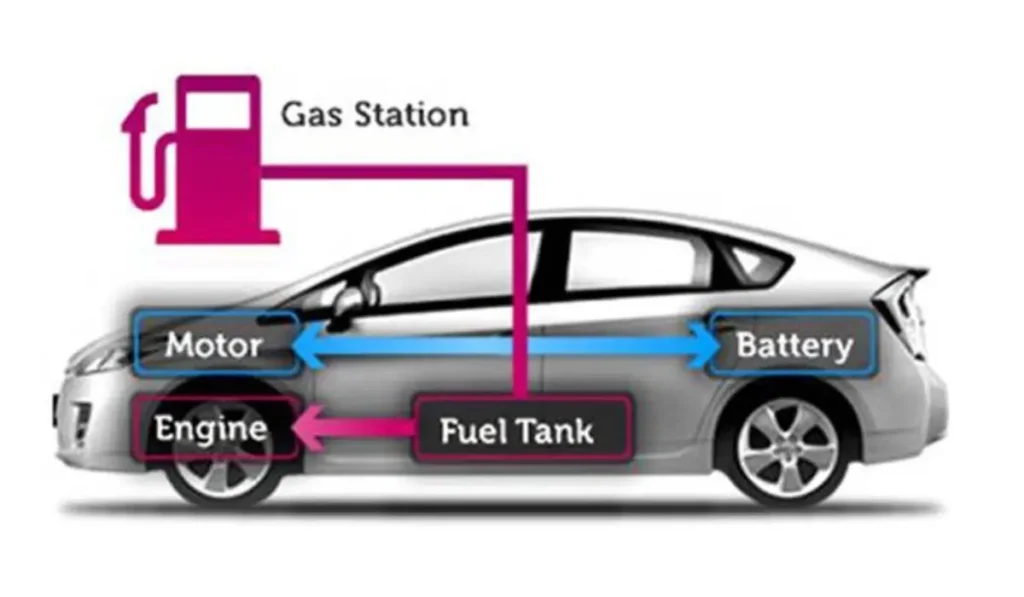
- How it works: Powered by both a petrol engine and an electric motor. The battery is charged through regenerative braking—no need to plug in.
- Examples: Toyota Camry Hybrid, Honda Accord Hybrid
- Pros: Great fuel economy, no charging hassle
- Cons: Less electric-only range, still uses fossil fuel
Our Take: Perfect if you’re not ready to deal with charging but want better mileage than a traditional petrol car.
4. Fuel Cell Electric Vehicle (FCEV)
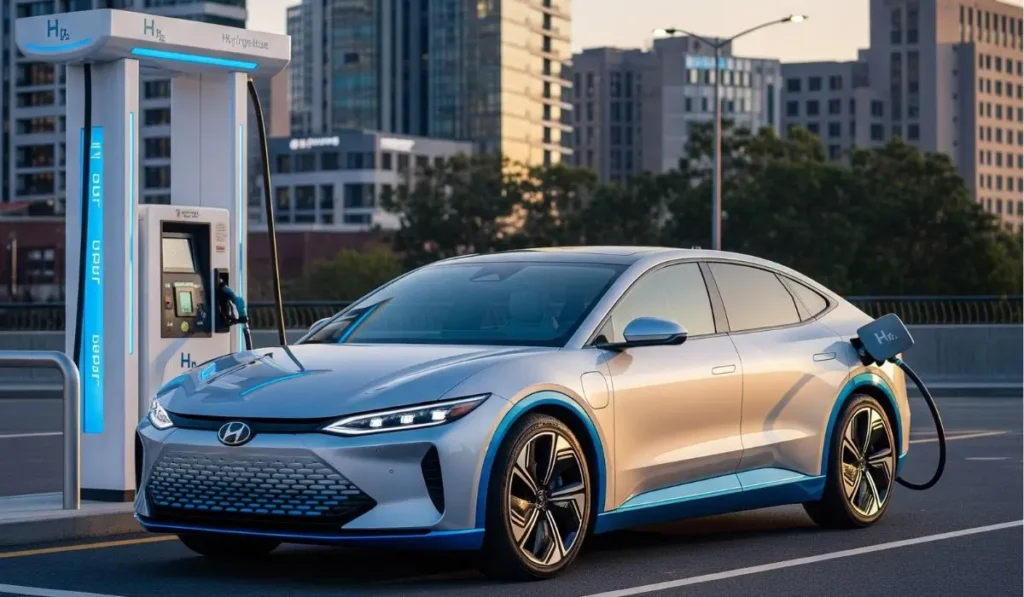
- How it works: Uses hydrogen gas to generate electricity. The only byproduct is water vapor.
- Examples: Toyota Mirai, Hyundai NEXO
- Pros: Fast refueling, zero emissions
- Cons: Very limited hydrogen refueling stations, high cost
Our Take: FCEVs are futuristic but currently suitable only for areas with available hydrogen infrastructure.
EV Charging Standards and Types
Just like phones, EVs also need to be charged, only it takes longer and requires special charging stations. Here’s a quick guide to the EV charging levels and connector types you need to know.
Types of EV Charging
1. Level 1 Charging (Standard 120V AC)
- Where to use: Home (using a standard wall outlet)
- Charging time: 8–20 hours for a full charge
- Ideal for: Overnight charging at home
Note: This is the slowest type but requires no extra setup.
2. Level 2 Charging (240V AC)
- Where to use: Home (with setup), workplaces, public charging stations
- Charging time: 4–8 hours for a full charge
- Ideal for: Daily use and faster home charging
Note: Many EV owners install a Level 2 charger at home for convenience.
3. Level 3 Charging / DC Fast Charging
- Where to use: Commercial charging stations
- Charging time: 15–60 minutes to charge up to 80%
- Ideal for: Long road trips or fast top-ups
Note: Not all EVs support fast charging, so check your car’s compatibility.
Common EV Charger Connector Types
| Connector | Used For | Region | Vehicle Types |
|---|---|---|---|
| Type 1 (SAE J1772) | AC charging | North America, Japan | Nissan Leaf, Chevrolet Volt |
| Type 2 (Mennekes) | AC charging | Europe, India | BMW i3, Hyundai Kona |
| CCS (Combined Charging System) | DC fast charging | Europe, North America | Tesla, VW ID.4 |
| CHAdeMO | DC fast charging | Japan | Nissan Leaf |
| GB/T | AC & DC | China, India (some models) | TATA Nexon EV, MG ZS EV |
At RA Electronics, one of our team members recently bought a TATA Nexon EV, and the difference in monthly fuel savings has been incredible! Although the initial setup cost was higher, the low maintenance and eco-friendliness make it absolutely worth it.
Conclusion
Electric vehicles are transforming the future of transportation, but choosing the right one starts with understanding the basics. Whether it’s a fully electric BEV, a practical PHEV, or another type of EV, each option offers unique advantages for different drivers. Battery electric vehicles run entirely on stored electricity, while plug-in hybrids combine electric driving with a traditional engine for added flexibility.
As EV technology continues to evolve, understanding these fundamentals will help you make smarter decisions and feel more confident when choosing your next vehicle.
FAQs
-
What is the fastest EV charging standard?
DC Fast Charging with CCS or Tesla Supercharger.
-
Which type of EV is best for city driving?
Battery Electric Vehicles (BEVs) are ideal for city driving due to their zero emissions and lower operating costs.
-
Is it safe to charge an EV at home?
Yes! With a proper Level 2 charger and safety measures in place, home charging is completely safe.
-
How long do EV batteries last?
Most EV batteries last between 8 to 10 years or around 100,000–150,000 kilometers.